Silent Architecture Workshop Celebrates a Decade of Academic Collaboration
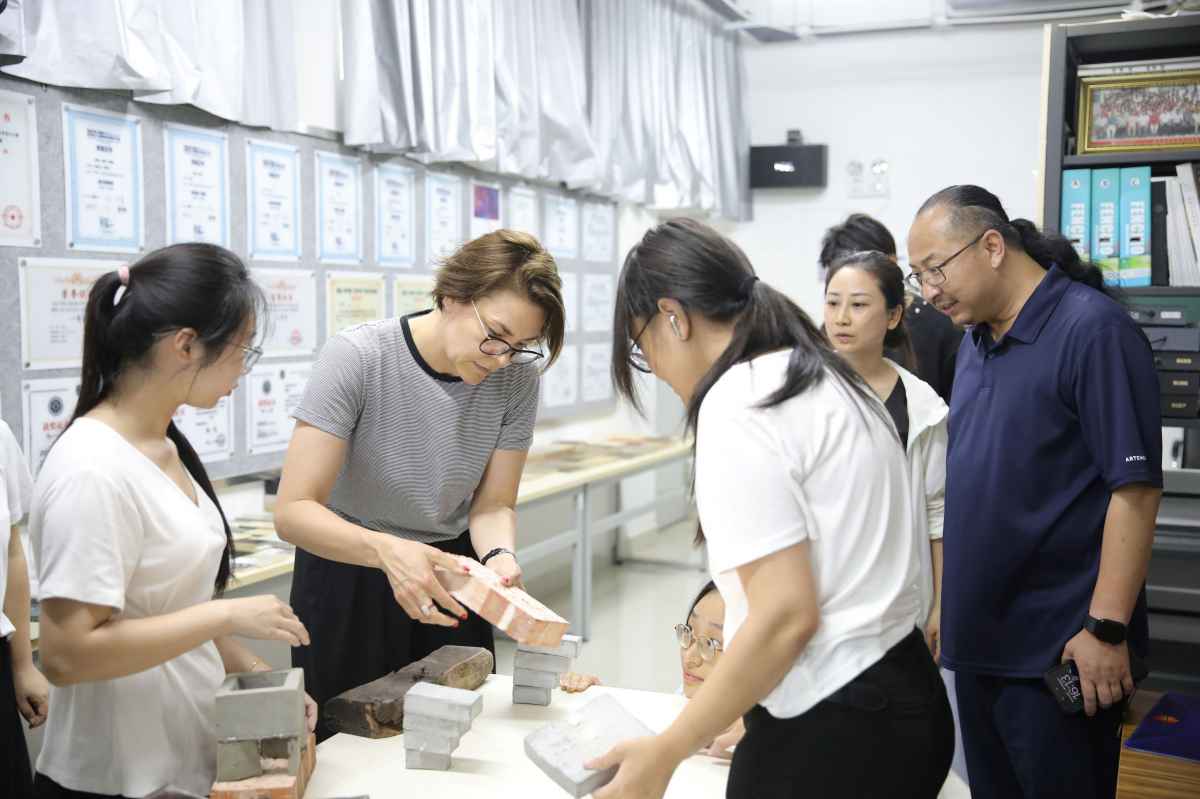
Students at Beihai University of Art and Design recently completed the two-week Silent Architecture workshop, an intensive international design program led by Prof. Dr. Ákos Hutter, Dr Erika Vörös, Júlia Bernadett Török, and Dr Jin Xin. The workshop was jointly organised by the Institute of Architecture of the Faculty of Engineering and IT at the University of Pécs and Beihai University of Art and Design. This year's program was opened by Prof. Dr Gabriella Medvegy, Dean of the Faculty.
The workshop is part of a long-standing academic
collaboration between the two institutions, which has successfully fostered
educational and cultural exchange for ten years. Held annually, the course is
taught by professors from both universities and has become a significant
platform for international architectural education.
The workshop encourages students to explore the
relationship between space, form, materiality, and human experience. Through
research, conceptual design, sketching, digital modeling, and physical
model-making, participants investigated the idea of “silent architecture” —
architecture that communicates through essential spatial qualities rather than
formal complexity.
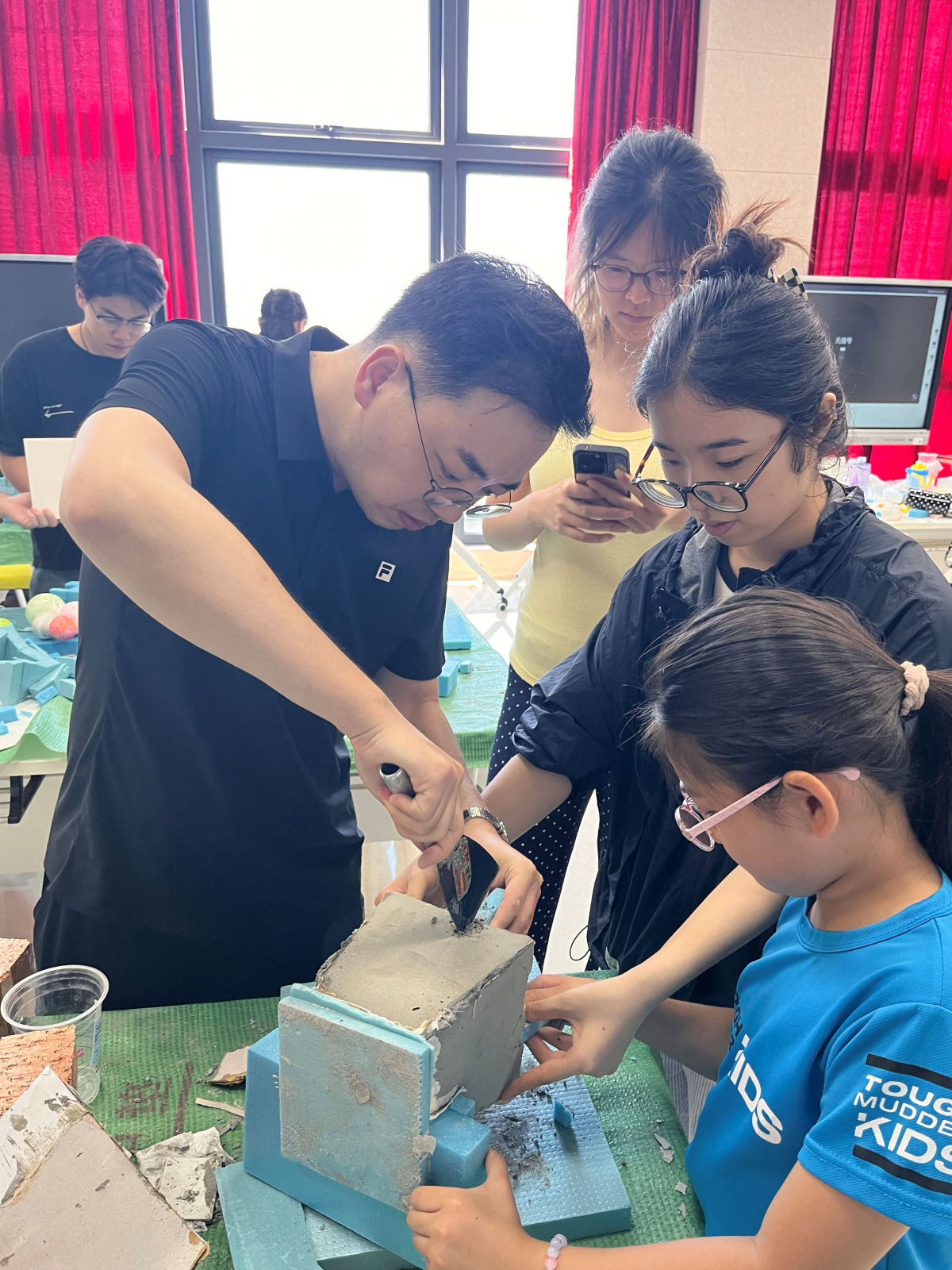
A distinctive focus of this year's workshop was the
exploration of concrete as a genuine structural material.
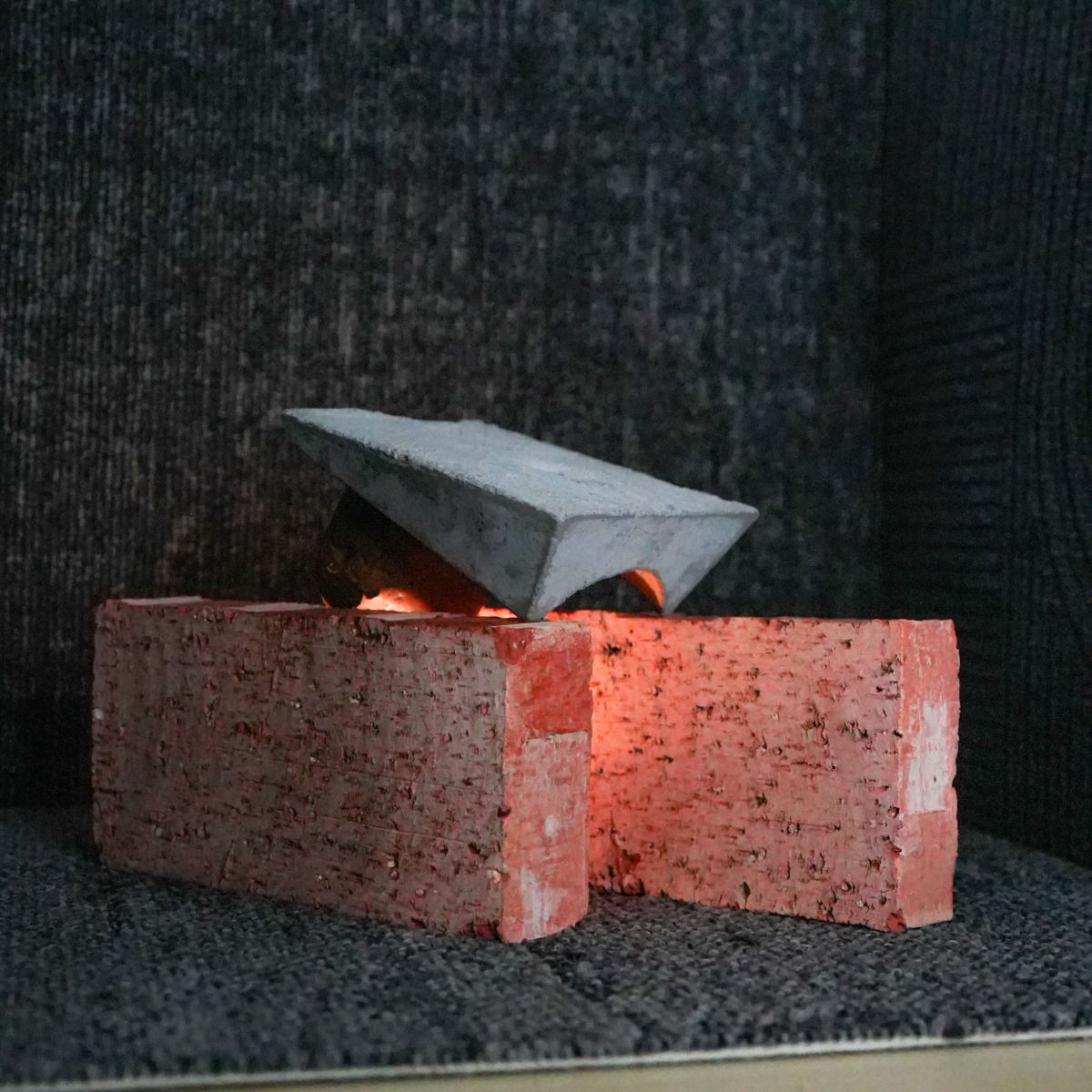
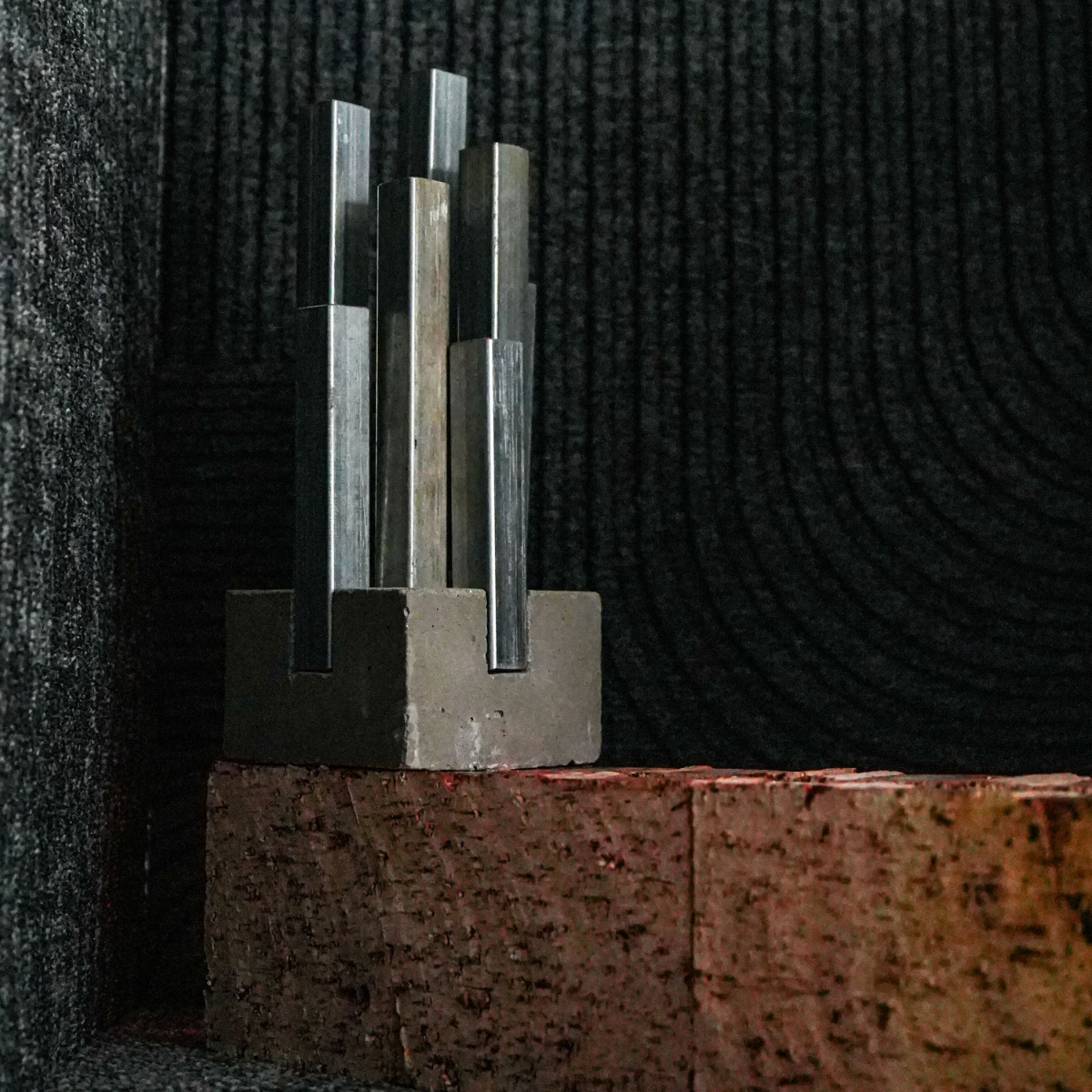
Students examined the tectonic and sensory qualities of concrete and utilized
it directly in the creation of their mock-up models. Rather than treating
models as purely representational objects, the workshop encouraged participants
to experiment with concrete as a material of construction, allowing them to
gain firsthand experience with its weight, texture, form-making potential, and
expressive architectural character.
The Silent Architecture
workshop was complemented by an English for Design course, which provided
targeted language support for the program. The language component focused on
design-related vocabulary and communication skills, helping students discuss their
ideas more effectively with the architecture professors and prepare a short
English-language presentation, together with an accompanying PPT, about their
own projects.
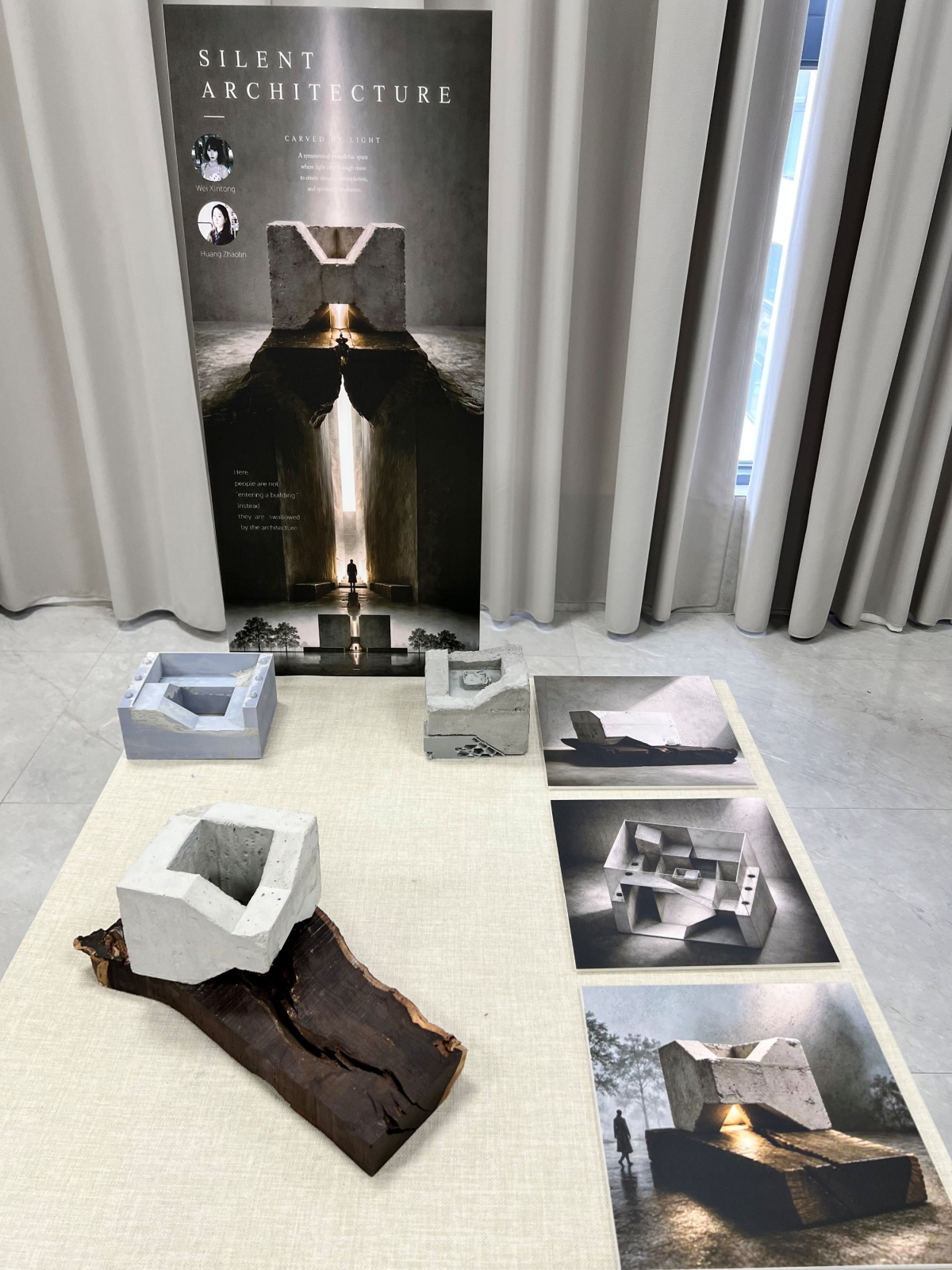
The two-week program concluded
with a public exhibition and final presentations, where student teams showcased
their design concepts through posters, digital visualizations, and physical
models. The exhibition reflected both the creative achievements of the
participants and the continuing success of the international partnership
between the University of Pécs and Beihai University of Art and Design.
By combining theoretical inquiry, material
experimentation, and intercultural collaboration, the Silent Architecture
workshop continues to provide students with a unique educational experience and
deeper insights into the fundamental nature of architecture.
Galéria